Vigilance over panic at the sea
Vigilance over panic at the sea
| Reine Depra
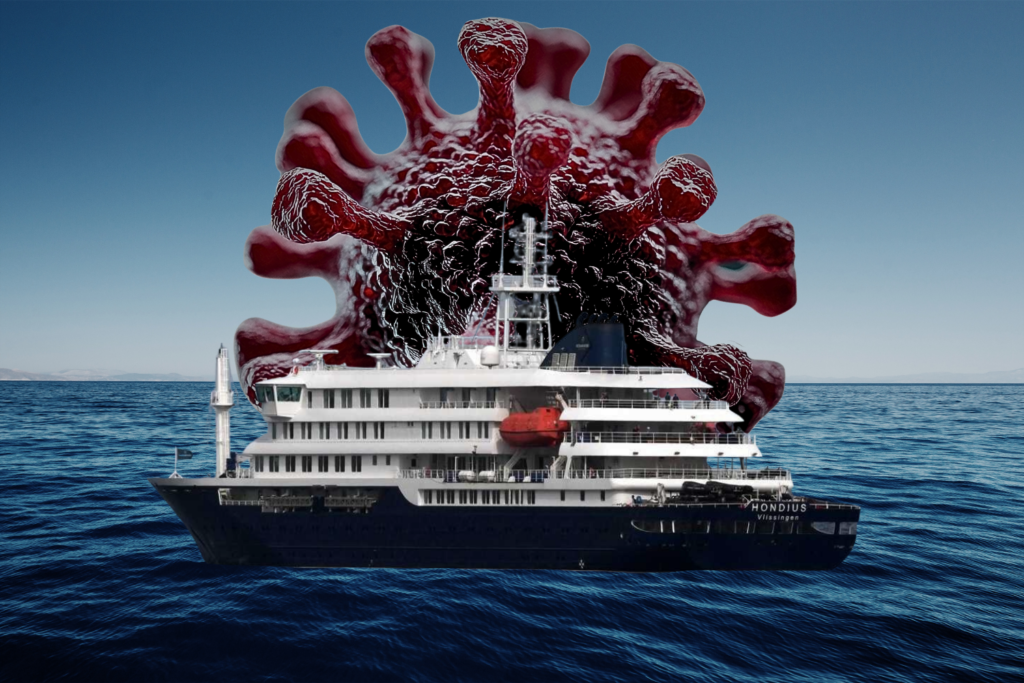
Public concern intensified after reports of the Hantavirus aboard a cruise ship in the Atlantic resulted in fatalities among passengers and crew members. The cruise ship carried 149 people, including 38 Filipino crew members, drawing attention to the condition of overseas Filipino workers (OFWs) affected by the outbreak on the ship.
According to the World Health Organization (WHO), seven confirmed and suspected cases linked to the vessel have been identified, including three reported deaths.
The first reported patient, a 70-year-old Dutch passenger, initially experienced fever, headache, and mild diarrhea before developing respiratory distress and later dying on board on April 11. Due to the virus’s incubation period of around 2-3 weeks, health experts believe the infection was likely acquired before the ship’s voyage or its island stops.
While vigilance remains necessary, experts emphasized that the Filipino crew members remain healthy and have tested negative for the virus.
Understanding Hantavirus
Hantavirus is a rare but potentially life-threatening rodent-borne disease. It is commonly transmitted through exposure to contaminated rodent urine, saliva, or droppings, particularly in enclosed or poorly ventilated systems.
Symptoms include fever, fatigue, muscle pain, headaches, and breathing difficulties that may worsen quickly in severe cases. While no specific treatment for Hantavirus currently exists, supportive medical care, including hydration, rest, and respiratory treatment, may help manage symptoms and complications.
However, health experts stressed that Hantavirus is very different from highly contagious respiratory viruses such as COVID-19 or Influenza. Unlike those diseases, Hantavirus is not typically spread through casual person-to-person interaction.
“This is not coronavirus, this is a very different virus,” Maria Van Kerkhove, WHO director of epidemic and pandemic management, said in a news conference. “This is not the same situation we were in six years ago.”
Experts are currently investigating whether the Andes virus strain, the only Hantavirus associated with rare human-to-human transmission, may be involved in the incident. Even some authorities emphasized that investigations remain ongoing and no evidence suggests a widespread outbreak.
Public Health Response
Spanish authorities later allowed the vessel to sail toward nearby islands for medical treatment and repatriation after officials in Cape Verde, a country in Africa, denied clearance earlier in the week, which led the ship to anchor offshore.
The outbreak also sparked online discussions after some individuals expressed concerns over allowing the ship to dock despite affected passengers and crew members requiring immediate medical attention.
As investigations continue, health experts emphasized that evidence-based communication, early detection, and proper public health response remain essential in preventing misinformation and unnecessary panic during emerging infectious events.